7
хв читання
Помилки vibe coding, які перетворюють швидкі прототипи на дорогі проблеми
Уявіть картину: ви прокидаєтеся в неділю вранці з ідеєю для нового SaaS-продукту. Замість того, щоб тижнями шукати технічного співзасновника або прописувати технічне завдання (ТЗ), ви відкриваєте AI coding tools, пишете кілька промптів природною мовою і спостерігаєте, як екран заповнюється рядками коду. До вечора у вас уже є робочий дашборд. Він клікає, надсилає сповіщення і навіть підключається до бази даних.
Ви щойно відчули магію, яку в інженерній спільноті називають vibe coding. Це підхід, коли людина керує процесом розробки через високорівневі інструкції, покладаючись на штучний інтелект у написанні, тестуванні та виправленні коду.
Швидкість вражає. Проте тут криється пастка, в яку дедалі частіше потрапляють фаундери стартапів та product owners. Коли цей зліплений на коліні прототип показують інвесторам або першим клієнтам, виникає ілюзія: «Продукт майже готовий, залишилося лише викотити його в реліз».
Але «працює на демо» і «готове до реального бізнес-навантаження» — це дві абсолютно різні технічні реальності. Проблема не в самому концепті швидкого створення прототипів. Проблема починається тоді, коли бізнес намагається масштабувати AI-generated code без розуміння його внутрішньої архітектури, безпеки та лімітів підтримуваності.
Що таке vibe coding і чому всі про нього говорять
Термін vibe coding народився як напівжартівливий опис стилю розробки, де фокус зміщується з написання синтаксису на утримання загального бачення («вайбу») продукту. Завдяки еволюції таких інструментів, як GitHub Copilot, Cursor, Claude Dev та OpenAI лінійки o1/o3, поріг входу в розробку знизився до історичного мінімуму.
Згідно з дослідженнями, як-от GitHub’s research on AI coding tools, розробники, які використовують ШІ, виконують завдання в рази швидше, а загальний інтерес до AI-assisted development трансформує підхід до створення MVP. Дані Stack Overflow Developer Survey підтверджують, що понад 70% розробників уже використовують або планують використовувати AI-інструменти у своїх процесах розробки цього року.
Важливо підкреслити: vibe coding — це не «плоть від плоті зло». Це революційний інструмент для:
🔹швидкої перевірки гіпотез та ідей;
🔹створення клікабельних UX-демо;
🔹валідації workflow перед інвестиціями в custom software development.
Проте, коли цей підхід стає заміною системної інженерії, бізнес неусвідомлено підписує собі вирок на купу прихованих витрат.
Чому vibe-coded prototypes стають дорогими для бізнесу
Коли ви просите ШІ «додати систему оплати Stripe», він додасть її найкоротшим шляхом, який знайде у своїй навчальній вибірці. Він не запитає вас про фінансовий аудит, обробку помилок при розірванні з'єднання або відповідність стандартам PCI DSS.
Гарний фасад прототипу часто приховує критичні системні недоліки:
❗️Повне переписування коду: Коли навантаження зростає зі 100 користувачів до 10 000, хаотично згенерована структура починає сипатися. Доводиться платити за повну перебудову ядра.
❗️Гіпертрофований технічний борг (technical debt): Мартін Фаулер (Martin Fowler), один із провідних архітекторів програмного забезпечення, у своїх працях про Technical Debt зазначає, що швидке та недбале написання коду подібне до фінансової позики — воно пришвидшує вас сьогодні, але змушує платити величезні відсотки завтра. У випадку з AI-generated code ці відсотки ростуть за експонентою.
❗️Ефект чорної скриньки: Якщо ваша команда не створювала цей код рядок за рядком і не розуміє архітектурних зв’язків, виправлення будь-якого багу перетворюється на гру в сапера. Одне виправлення ламає три інші функції.
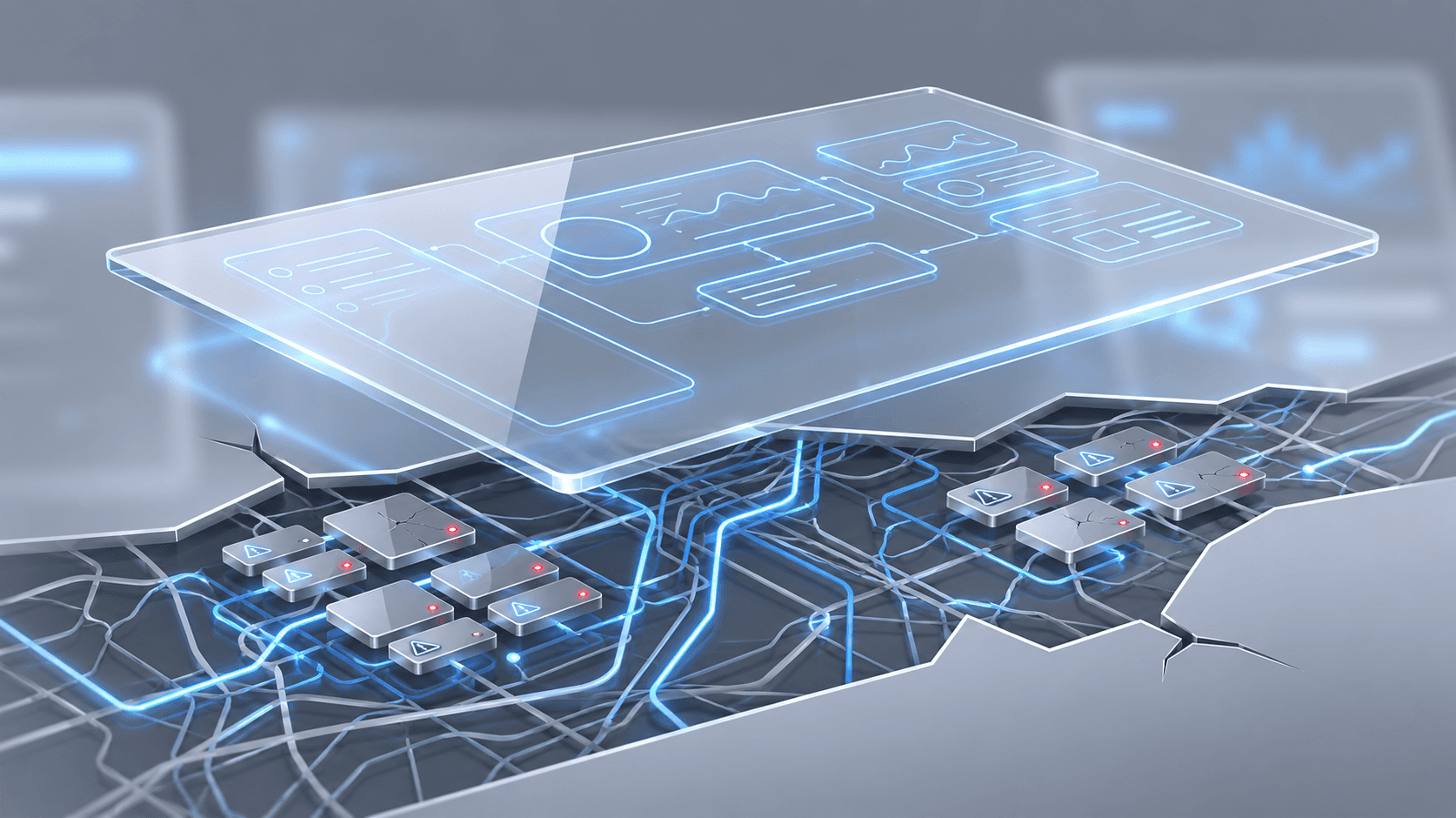
8 критичних помилок вайб-кодингу, які можуть зруйнувати ваш продукт
1️⃣ Початок розробки без чіткого технічного плану
У чому помилка: Фаундер починає «промптити» хаотично, додаючи фічі в міру їх появи в голові.
Чому це відбувається: Швидкість реакції ШІ створює відчуття, що планування — це рудимент минулого.
Чому це дорого: Без чітких меж системи AI-інструменти починають генерувати дубльовані функції, несумісні структури даних та суперечливу логіку. В результаті ви отримуєте цифрового Франкенштейна.
Як уникнути: Навіть для прототипу пропишіть базову сутнісну модель (Entities) та архітектурні кордони.
2️⃣ Сприйняття AI-generated code як фінального рішення
У чому помилка: Очікування, що згенерований код є production-ready software за замовчуванням.
Чому це відбувається: Код виглядає акуратно, компілюється і навіть працює в локальному середовищі (localhost).
Чому це дорого: ШІ оптимізує код під локальний контекст окремого запиту. Він не закладає туди обробку edge cases (граничних станів), ліміти запитів (rate limiting) або оптимізацію пам'яті. У реальному середовищі такий продукт впаде під першим ледь помітним хакерським скриптом.
Як уникнути: Розглядайте код від ШІ лише як чернетку або гіпотезу, яка потребує ретельної валідації людиною з engineering judgment.
3️⃣ Ігнорування архітектури з самого початку
У чому помилка: Відсутність концепту поділу відповідальності в коді (наприклад, відокремлення бізнес-логіки від інтерфейсу).
Чому це відбувається: AI-інструменти прагнуть дати швидку відповідь в одному-двох файлах, часто змішуючи логіку бази даних, API та UI в один нечитабельний клубок.
Чому це дорого: Втрачається гнучкість системи (software scalability). Спроба змінити дизайн кнопки може призвести до того, що відваляться звіти по замовленнях.
Як уникнути: Застосовуйте перевірені архітектурні патерни (наприклад, Clean Architecture або MVC) з першого дня створення репозиторію.
4️⃣ Відсутність документації та коментарів
У чому помилка: Продукт росте, але ніде не зафіксовано, чому обрано саме такі алгоритми чи інтеграції.
Чому це відбувається: Процес vibe coding настільки динамічний, що на документування просто «немає часу».
Чому це дорого: Коли ви вирішите залучити професійну команду розробників для розвитку MVP, вони витратять тижні (і ваші гроші) лише на те, щоб розібратися, як працює система.
Як уникнути: Використовуйте ШІ не лише для генерації коду, а й для створення документації до кожної архітектурної секції.
5️⃣ Повний ігнор Security та Data Privacy
У чому помилка: Створення форм авторизації, платіжних шлюзів або систем обробки персональних даних без належного шифрування та валідації.
Чому це відбувається: Промпти типу «зроби мені сторінку логіну» зазвичай генерують найпростіші скрипти без урахування захисту від SQL-ін'єкцій, XSS-атак чи безпечного збереження сесій.
Чому це дорого: Витік даних клієнтів призведе до юридичних штрафів (GDPR, CCPA) та миттєвої смерті репутації бренду.
Як уникнути: Будь-який блок, що стосується безпеки, повинен створюватися за участі сертифікованих інженерів та проходити ретельний технічний аудит (technical audit).
6️⃣ Створення фіч без глибокого розуміння бізнес-логіки
У чому помилка: Сліпа довіра до того, як ШІ бачить бізнес-процес (наприклад, розрахунок податків або логістику).
Чому це відбувається: ШІ впевнено генерує формули, які здаються правильними на перший погляд.
Чому це дорого: Продукт може місяцями неправильно рахувати маржу або знижки, що призведе до фінансових втрат, які ви помітите лише під час подання річного звіту.
Як уникнути: Бізнес-логіка має бути чітко специфікована людиною-експертом (Product Owner або Business Analyst) і покрита автоматичними тестами.
7️⃣ Відсутність планування інтеграцій з корпоративними системами (CRM, ERP)
У чому помилка: Спроба побудувати складний клієнтський портал або дашборд автоматизації без урахування форматів даних і обмежень сторонніх API (HubSpot, Salesforce, SAP).
Чому це відбувається: На етапі прототипу розробник використовує захардкоджені (фіксовані) дані («mock data») для красивої картинки.
Чому це дорого: Коли доходить до реальної синхронізації даних, виявляється, що архітектура прототипу не здатна обробляти асинхронні запити, черги повідомлень або ліміти API сторонніх сервісів.
Як уникнути: Завжди проектувати інтеграційні шлюзи окремо, враховуючи специфікації реальних API систем.
8️⃣ Масштабування прототипу замість вчасної перебудови core-архітектури
У чому помилка: Нарощування нових функцій поверх крихкого каркаса первинного MVP розробки.
Чому це відбувається: Психологічна пастка «воно ж поки працює, навіщо ламати».
Чому це дорого: Кожна нова фіча коштує дорожче за попередню, швидкість розробки падає до нуля, а система стає абсолютно нестабільною. залучення розробників на цьому етапі нагадує ремонт фундаменту будинку, коли ви вже добудовуєте п'ятий поверх.
Як уникнути: Чітко визначити момент, коли прототип виконав свою роль (валідація ідеї) і має бути замінений на надійну серійну архітектуру.
Порівняння: Vibe-Coded Prototype vs. Production-Ready Software
Критерій | Vibe-coded prototype | Production-ready software |
Архітектура | Хаотична, лінійна, змішана («спагеті-код»). | Модульна, масштабована, з чітким розділенням шарів логіки. |
Security | Мінімальна або відсутня (базові сценарії). | Комплексна (шифрування, захист від OWASP Top 10 ризиків). |
Scalability | Обмежується кількома одночасними сесіями. | Готовність до горизонтального/вертикального масштабування. |
Documentation | Відсутня або згенерована фрагментарно. | Повна (API специфікації, архітектурні рішення, інструкції). |
Integrations | На базі штучних (mock) даних, жорстко зв'язана. | Через гнучкі інтерфейси (API Gateways), стійка до збоїв. |
Maintainability | Вкрай низька. Зміна однієї фічі ламає інші. | Висока завдяки автотестам та clean code стандартам. |
Testing | Ручне («клікнув — працює»). | Unit, Integration, E2E тестування, CI/CD пайплайни. |
Ownership | Команда не до кінця розуміє логіку власного коду. | Повний контроль над кожним компонентом системи. |
Long-term cost | Низька на старті, але катастрофічно висока при розвитку. | Передбачувана інвестиція з низькою вартістю підтримки. |
Коли vibe coding справді корисний
Не варто впадати у крайнощі й повністю відмовлятися від AI coding assistants. Вони кардинально змінили швидкість прототипування. Більше того, за даними аналітиків, таких як McKinsey & Company, компанії, які грамотно поєднують швидке ШІ-прототипування з традиційними інженерними практиками, виводять продукти на ринок (Time-to-Market) на 30–45% швидше.
Vibe coding є ідеальним рішенням для:
Rapid idea validation: Перевірити, чи взагалі потрібен такий сервіс користувачам.
Internal tools: Створення дрібних скриптів для внутрішньої автоматизації рутини команди, де збій не є критичним для бізнесу.
UX/UI Demos: Презентації для ранніх інвесторів чи стейкхолдерів, щоб показати візію продукту «вживу».
Proofs of Concept (PoC): Перевірка технічної можливості інтеграції двох специфічних технологій.
Як безпечно перейти від прототипу до надійного продукту: Покроковий план дій
Якщо ви вже створили працюючий прототип за допомогою ШІ й хочете перетворити його на реальний стійкий бізнес-інструмент, скористайтеся цим покроковим планом:
✅ Проведіть незалежний Technical Audit: Залучіть досвідчену інженерну команду для аналізу згенерованої кодової бази.
✅ Code & Architecture Review: Оцініть, чи витримає поточна структура хоча б мінімальне бізнес-навантаження.
✅ Security & Privacy Check: Протестуйте систему на наявність відкритих вразливостей, перевірте механізми збереження паролів та токенів.
✅ Прийміть рішення (Refactor or Rebuild): Тверезо оцініть, що дешевше — рефакторити поточний код чи використати прототип як чітке ТЗ і написати ядро заново (найчастіше другий варіант економить до 50% бюджету у довгостроковій перспективі).
✅ Створіть Production Roadmap: Окресліть етапи впровадження автоматичного тестування, CI/CD процесів та логування помилок.
✅ Передайте Ownership розробникам: Переконайтеся, що технічна команда повністю розуміє і контролює кожну функцію системи, знімаючи залежність від хаотичних генерацій ШІ.
Висновок
Vibe coding та AI-assisted development відкрили неймовірні можливості для інновацій. Вони дозволяють матеріалізувати ідеї зі швидкістю думки. Але швидкість не має ставати ворогом надійності. Шлях до успішного digital-продукту завжди лежить через баланс: використання ШІ для швидкості та залучення експертних інженерів для створення безпечної, масштабованої та передбачуваної архітектури.
Потрібна допомога з вашим MVP?
Якщо у вас вже є AI-generated prototype або MVP, але ви не впевнені, чи його можна безпечно масштабувати та показувати реальним клієнтам, наша команда готова допомогти. Ми проведемо ретельний technical audit, оцінимо архітектуру вашої системи та допоможемо перетворити швидкий прототип на стабільний, безпечний та повноцінний production-ready продукт.
📩 Зв'яжіться з нами сьогодні для консультації.